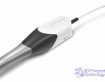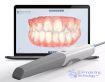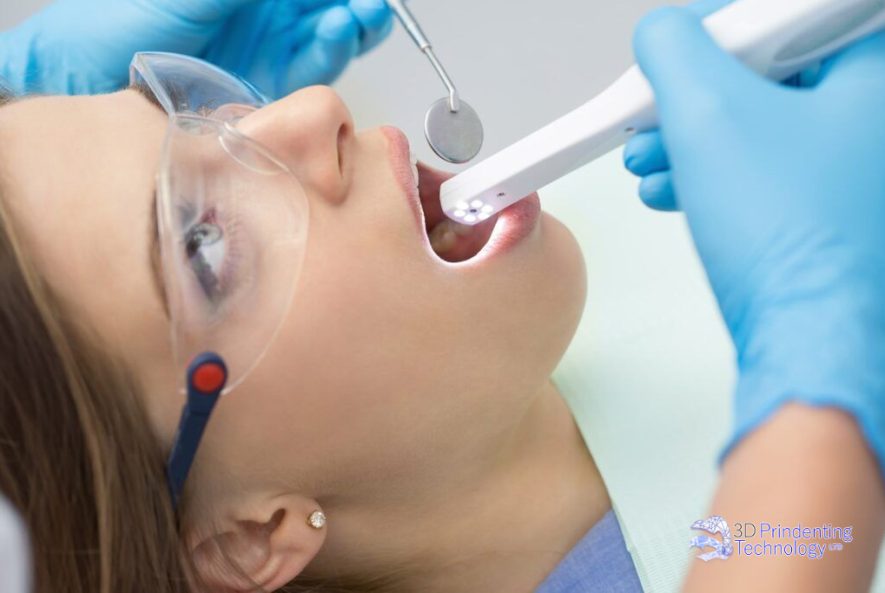
Nowadays, the work of each dental clinic and laboratory makes use of dental intraoral scanners. With such lightweight and small-size devices now available at their disposal, dentists are capable of acquiring an ultra-high-resolution 3D picture of customers’ teeth. For problems that include implant treatment, orthodontics, ortho surgery, permanent, and removable prostheses, bite plates and night guards, and smile designing, among others, it can easily and precisely be realizable with intraoral scanners.
In this paper, we looked at the prospect of applying intraoral scanners for dentistry enhancement.
Making Dental Experiences Better with Intraoral Scanners
Using intraoral scanners in dentistry offers several benefits:
Improved dental imprints
Traditionally, dental impressions have involved a painful and time-consuming process that usually delivers far less than ideal accuracy. Myth: The new dental intraoral scanners don’t hurt.
By applying cutting-edge imaging technologies, 3D scanners can create a comprehensive 3D model of an oral cavity, which ensures that no more traditional impression materials are needed. For this very reason, it quickens the workflow not only for dentists but also vastly enhances patient comfort; it represents great progress in upholding standards of dental care.
- Make more human
The intraoral scanners used in dentistry are accurate, providing the finest details for dentists to make their diagnoses and treatment plans. This is the ultimate need in procedures like orthodontics, implantology, and restorative dentistry, where dental devices have to fit perfectly and function with the best possible accuracy. These scanners facilitate improved diagnostic acumen with more predictable positive outcomes and also enhance the trust of dentists and patients in the process of treatment.
- Minimizing chair time
Conventional impression-taking methods sometimes take up most of the patients’ time, leading to discomfort and inconvenience.
Oral structures are recorded and analyzed more quickly, so the procedure requires less chair time. The total time used in the entire process of prosthetic preparations for dental crowns, bridges, and veneers is reduced, translating to a significant reduction of time taken in the dental laboratories, allowing handling more workload for increasing the net output in the practice. The influence on patient satisfaction is significant since faster operations and shorter wait times result in a more pleasant dental visit.

- Faster dental scan
Metallic trays and illnesses are now things in the past with dental impressions. Digital intraoral scans take up the fastest way of dental impressions, which have minimal adverse effects on patients especially those who have sensitive gag reflexes.
- Express Dental Impressions
Digital impressions lead to instant results. With these scanners, one gets instant digital imprints that can be forwarded immediately to the dental facility for the process right away. Hence, with the use of these digital impressions, much of the time used in making restorations and orthodontic appliances can be consolidated with any other treatment.
- Improved patient experience
Overall, the use of digital intraoral scanners in the office provides a much better patient experience. With classic impression procedures being eliminated, patients can enjoy a comfortable and quicker visit, since sensation discomfort is diminished. Patients receive faster, more reliable results.
Digital intraoral scanners will certainly be game changers in the world of dental impressions and treatment experiences, which are conducted through the empowerment of dental implants, orthodontics, or restorations.
Intraoral Scanner Vs Conventional Technique
There are several advantages to those offered by old-technique intraoral scanners; some of the advantages include the following:
Screen Monitor to display simultaneously
Now, on a screen, a dentist and even a patient can examine a 3D model instead of the old techniques.
Improved accuracy
Comparatively, digital impressions show better accuracy compared to analog impressions, which therefore allows improved restorations and, consequently, better treatment outcomes.
Patient comfort
Intraoral Scanners usually are less painful in patients than the older modalities as they remove the requirement for disgusting drugs that are known to cause nausea.
Dental scanners are collectively bringing immense benefits to patients and clinicians, constituting a huge leap in dental technology.
Technological Advances in Dentistry
A second step toward further digitalization of dentistry relates to the technological development of intraoral scanning: increasing speed concerning scanning time; increasing diagnostic capacities; and better integration within artificial intelligence engines toward an overall effort in planning and predicting results. All those inventions would further redefine the practice of dentistry، enabling both dentists and patients to have more alternatives for obtaining optimal oral health and cosmetic results in quieter ways.

There have been practice-changing devices designed to offer new all-time levels of precision and patient comfort in treatment efficiency: intraoral scanners. As every dental office goes to digital workflows, the importance of these intraoral scanners will become all the more critical to enabling whole new eras of ultra-individualized, patient-centric dental care.
Intraoral Scanners in Dentistry: The Shooting Star on the Rise Intraoral scanners are considered the most significant invention within dental technology, with the overall benefits of enhanced diagnostic skills for the dentist and better treatment experiences for patients. These modern imaging systems are being embraced in dental clinics and laboratories worldwide and have significantly revolutionized how oral health care is administered. Let’s explore the evolution of intraoral scanners and how they have impacted modern dentistry:
Precision and accuracy
Intraoral scanners undeniably project outstanding super accuracy in full 3D images of the oral cavity. Conventional impressions lead to errors in most instances since human-relevant mistakes and material shrinkage compound them; on the other hand, digital scans enable dentists to have almost exact representations of teeth, gums, and surrounding tissues. That high degree of precision underlies difficult procedures of great importance in dentistry, such as the making of implants and the production of orthodontic treatments; their quality depends on the set and alignment of a dental restorative appliance.
Increased patient comfort
The transition from conventional impression-taking methods to the imaging process using intraoral scanners has, by large, made visiting the dentist more comfortable for patients. Patients no longer face the agony of holding large trays filled with imprint materials in their mouths, which could have caused gag reflexes or discomfort. On the other hand, intraoral scanners employ non-invasive digital imaging technologies to quickly capture very accurate images, thus enhancing easy and comfortable dental visits.
This comfort improvement has therefore changed the satisfaction and acceptance experience of the patient.
More Efficient Treatment
Besides increased diagnosis and patient comfort, dental clinics can even make use of intraoral scanners to enhance the overall workflow through less chair time and improved treatment efficiency. Since it allows great speeds in capturing the images of the teeth through digital imaging, a computer display will even be used to conduct analyses in real time and effect changes on the go. This speed in treatment planning and ease of communication with the dentist, dental technician, and patient gives the best treatment outcome effectively and efficiently.
3D Oral Scanning Applications
Dental scanners are devices with numerous applications in dentistry and revolutionize patient care.
Here are some of the uses:
Tooth restorations
Indeed, the fabrication of restorations is one of the top applications for an intraoral scanner.
Coverings and Viaduct
It takes pristine digital images, completely cutting out the cumbersome process involved with conventional systems. The information captured is then used for designs, using CAD-CAM technology and creating repairs that are incredibly precise and fitting.
Inlay and Onlay
Restorations of such kind may also benefit from automatic templates, which make them fit snugly with the least necessity to alter.
Prostheses can be fabricated in a very aesthetic and comfortable way for the patient from digital templates.
Orthodontic Treatment Planning
Another use of their stressed intraoral scanner is that it delivers very detailed plans for orthodontic surgery.
Clear Alignments
Intraoral scanners create 3D models of the teeth, which allow quick planning of clear aligner treatment by the dentist and checking its outcome.
Metal Braces
Digital imaging can also be used for the positioning of treatment placements concerning conventional brace treatment.
humanly
In implant restoration design and manufacture, intraoral scanners have enormous benefits. Therefore, justification for the importance of scanners can be done as follows:
Precise implant manufacturing.
Intraoral scans offer very realistic 3D images of the jawbone and the related bones, allowing dentists to plan the placement of implants precisely.
Sensible Implant Placement Dental from these digital scans could be utilized to develop a surgical guide that supports dentists to place more precise and safe implantations.
Training of Intraoral Scanners
There has been an explosion in the integration of intraoral scanners into other forms of digital technology, including CAD/CAM and 3-D printers; such links are enabling dentists to produce dental restorations with unprecedented accuracy and personalization. The realization of the vast potential of intraoral scanners at this point calls for continuing training and education for the dentist.
It ensures that dentists and dental workers are trained to work with modern devices, effectively interpret digital scans, and correctly use digital workflows to provide improved outcomes for patients.
Benefits of Intraoral Scanners in Modern Dental Care
The use of intraoral scanners heralded a new beginning in the history of dental impressions. This will support a digital approach that ultimately improves care for patients in issues of avoidance of complications that include gag reflexes and breathing problems. Although the stress levels are the same, the temporal acceptance of digital impressions dwarfs that of traditional means. This probably is one such landmark change in the modern dentistry field that is more patient-centered and efficient. This will be rated among the best technologies in the dental health sector, allowing accurate determination of dental imaging. The scans provide three-dimensional maps of the oral space that show the position of every coordinate on each component. Call now to book your appointment and find out how digital intraoral scanning can be the greatest help to you. We look forward to helping you get a healthy and beautiful smile with comfort in the most effective way.