A Glimpse into the Future of Dentistry
Intraoral scanners have really changed the game in dentistry, moving away from those old-school, uncomfortable impression techniques to sleek, digital imaging. These high-tech gadgets create detailed 3D images of a patient’s mouth, which leads to more accurate diagnoses, improved treatment planning, and a smoother workflow overall. As we take a closer look at intraoral scanners, it’s obvious just how essential they are in today’s dental practices. This article will dive into how these scanners operate, their main features, the hardware involved, and the software that makes them a must-have in the current dental scene.

How Intraoral Scanners Work
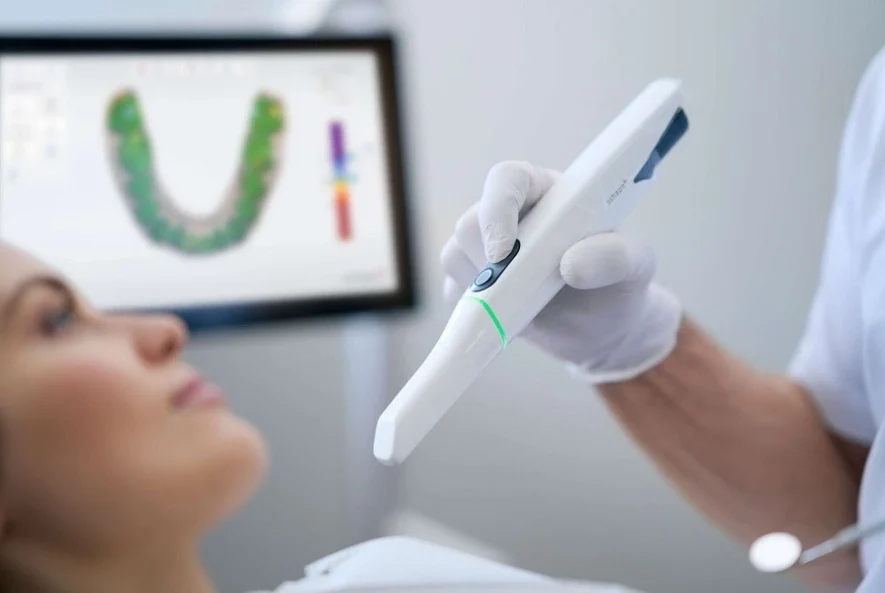
Intraoral scanners are advanced digital gadgets that create super detailed 3D images of a person’s mouth. The process kicks off when a dentist or dental tech moves the handheld scanner over the patient’s teeth and gums. It uses light—usually lasers or structured light—to scan the surfaces it touches. This light bounces back and is picked up by sensors, turning the data into a digital 3D model of the mouth. This instant model gives a clear and accurate view, making it way easier to spot problems and plan treatments with great precision.
These scanners come with cutting-edge imaging tech that lets them produce digital impressions way better than the old-school method of using physical molds. The digital impressions from intraoral scanners are not just more precise but also way more comfortable for patients since they skip the messy, uncomfortable impression materials. Plus, these scanners work super-fast, letting dental pros capture a whole dental arch in just a few minutes, which means patients spend way less time in the chair.
The digital format of intraoral scanning enables straightforward integration with various digital dental technologies, including CAD/CAM systems utilized for the design and production of crowns, bridges, and orthodontic devices. The data obtained can be promptly shared with laboratories or other professionals, promoting a more collaborative and efficient method of patient care. This cohesive digital process improves the overall patient experience and contributes to more reliable and successful results.

Key Features of Modern Intraoral Scanners
Intraoral scanners have improved a lot, leading to new features that make them easier to use and produce better scans. Knowing these features helps us see how capable these devices really are. Here are some important features of today’s intraoral scanners, which show why they are becoming more important in dental offices:
- Fast Scanning: Today’s intraoral scanners quickly capture detailed images, allowing dentists to scan a full mouth in just a few minutes. This speed boosts efficiency and reduces discomfort for patients during the process
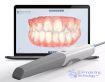
- Instant Visualization: As the scanner moves over the teeth and gums, the images appear on a screen right away. This lets dentists track the scan’s progress, make real-time adjustments, and ensure every area is covered for an accurate digital impression
- Full-Color Imaging: Modern intraoral scanners can take images in full color, unlike older models that only captured in black and white. This feature helps in noticing slight differences in tooth color, which is important for cosmetic dental work
- Cordless Functionality: Some of the newest scanners are wireless, removing the hassle of cables and making it easier to move around the patient. This wireless design not only helps the dentist but also makes the experience more comfortable for the patient
- Automatic Bite Detection: This feature enables the scanner to automatically recognize and record the patient’s bite, ensuring accurate occlusion without extra steps. This is essential for the proper fit of dental restorations like crowns and bridges
- Improved Precision: Modern scanners use advanced technology to enhance the accuracy of digital impressions, minimizing errors. This level of precision is crucial for successful dental restorations and orthodontic care

Hardware Components of Intraoral Scanners
Intraoral scanners have important hardware parts that are essential for how the device works. Knowing these parts helps us understand the technology behind these modern dental tools. These include:
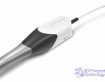
- Scanning Wand: This is a portable tool that dentists use to take images. It contains the light source and sensors and is designed for comfortable handling
- Light Source: Usually made of lasers or LEDs, this part provides the light needed to scan teeth and gums. The kind and quality of the light source influence how accurate and clear the images are
- Sensors: These detect the light that bounces back from the scanned areas and turn it into digital information. High-quality sensors are essential for creating precise and detailed 3D models
- Processor: The scanner has a built-in processor that quickly processes the data it captures, turning it into a digital 3D model that can be seen right away on a connected screen
- Display Screen: This is either part of the scanning device or a separate unit that shows the images being captured in real-time, helping the dentist keep track of the scanning
- Battery or Power Supply: Wireless models use a rechargeable battery to operate, while wired models rely on a power supply for uninterrupted scanning
Software Capabilities in Intraoral Scanners
The software in intraoral scanners is as crucial as the hardware, offering essential tools for handling and using the scanned data. Here are some important software features that improve how these scanners work:
- Data Processing Algorithms: These algorithms take the raw data from the scanner and convert it into a clear and precise 3D model of the patient’s mouth
- Cloud Integration: Many new scanners can easily connect to cloud platforms, making it simple to store, share, and access digital impressions from various devices and locations
- CAD/CAM Integration: The software usually works well with CAD/CAM systems, allowing for the design and production of dental restorations directly from the digital scans
- Automatic Calibration: To ensure accuracy, the software automatically adjusts the scanner based on the specific conditions of each scanning session
- Error Detection: Advanced software can identify and highlight any potential problems in the scanned data, such as incomplete scans or artifacts

The Future of Precision in Dental Care
Intraoral scanners are a major advancement in dental technology, providing high accuracy, speed, and comfort for patients. As these tools improve with new features, they are becoming essential in modern dental offices. With their advanced hardware, smart software, and smooth digital processes, intraoral scanners are changing how dentists diagnose, plan, and carry out treatments.